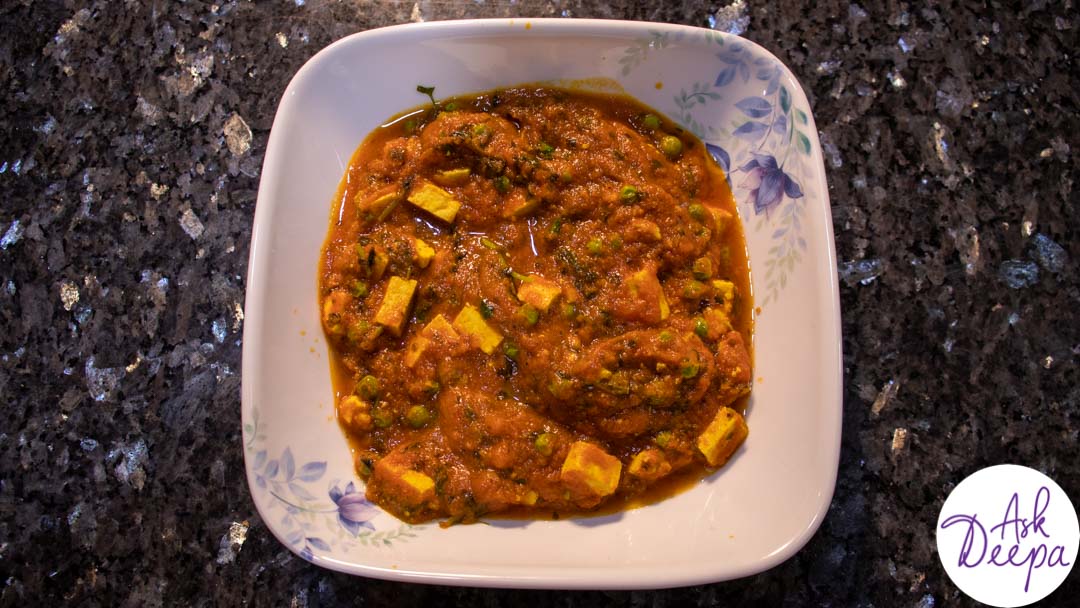
Diwali at home is never complete without one rich, ghee-roasted sweet, and badam halwa is that sweet for me. It needs only a handful of ingredients: almonds, milk, sugar, ghee, saffron and cardamom. What it really asks for is patience. Low flame, steady stirring, and a little ghee at a time.
For this batch I used Tata Sampann almonds and Tata Sampann saffron. Make it a day or two before the festival, or right before guests arrive. It is best served warm.
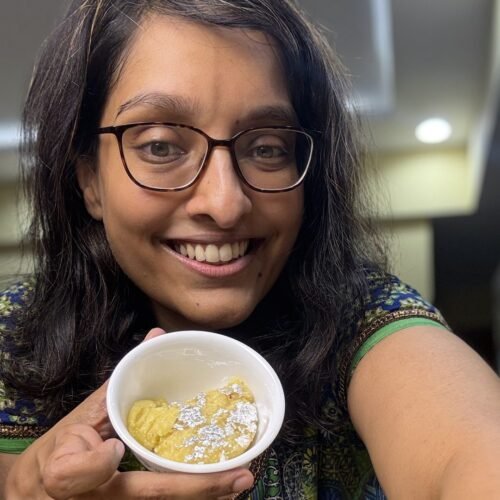
Badam Halwa
Ingredients
- 1 cup almonds whole and unroasted (about 140 g). I used Tata Sampann almonds.
- 1/2 cup milk for grinding
- 3/4 cup sugar about 150 g
- 1/2 cup ghee which is 8 tablespoons (about 110 g)
- 2 tablespoons warm milk for the saffron
- 2 pinches of saffron about 15 strands each: one for the milk, one to garnish. I used Tata Sampann saffron.
- 1/4 teaspoon cardamom powder
- Edible silver foil vark, to garnish
Instructions
- Soak the almonds. Soak the almonds in hot water for 1 hour, or overnight in regular water, until the skins slip off easily.
- Peel and grind. Peel the almonds and grind them with 1/2 cup milk to a slightly coarse paste. A little texture gives the halwa its bite.
- Bloom the saffron. Soak a pinch of saffron in 2 tablespoons of warm milk and set aside.
- Cook the paste. Heat 2 tablespoons of ghee in a heavy kadai on low to medium flame. Add the almond paste and stir continuously for about 8 minutes, until it thickens and the raw smell goes.
- Add the sugar. Add the sugar and keep stirring. The mixture turns runny first as the sugar melts, then thickens again. Pour in the saffron milk.
- Add ghee little by little. Add the remaining 6 tablespoons of ghee, one tablespoon at a time, stirring well after each addition. Cook for about 10 minutes, until the halwa turns glossy, leaves the sides of the pan and the ghee begins to separate.
- Finish. Stir in the cardamom powder and take the kadai off the heat. Add another pinch of saffron and garnish with silver foil. Serve it warm!
Tips for the Best Badam Halwa
- Keep the flame low throughout. Almond paste catches and scorches very quickly.
- Do not wait for the halwa to turn firm in the pan. Take it off while it is still soft, because it sets as it cools.
- If it turns too thick, loosen it with a tablespoon of milk.
- Use plain, unroasted almonds. Roasted or salted almonds will not peel or grind well.
- I used sulphurless sugar. It gives a slightly warmer colour, which the saffron and ghee cover nicely. Regular white sugar works just as well.
Storage
Badam halwa keeps well in an airtight container in the fridge for 3 to 4 days. Warm it gently in a pan with a teaspoon of ghee or a splash of milk before serving.
Frequently Asked Questions
Can I use almond flour instead of soaked almonds?
Yes, but the texture will be smoother and less traditional. Soaked and ground almonds give the classic grainy bite.
Can I reduce the ghee?
You can go down to about 6 tablespoons in total. The halwa will be less glossy and may not leave the pan as cleanly.
How do I know the halwa is done?
It turns glossy, gathers into one mass, leaves the sides of the kadai and the ghee starts to separate at the edges.
Make this for Diwali and tell me how it turned out. Watch the full recipe video on the Ask Deepa YouTube channel and on Instagram at @askdeepa_, and tag me when you make it. Happy Diwali!